

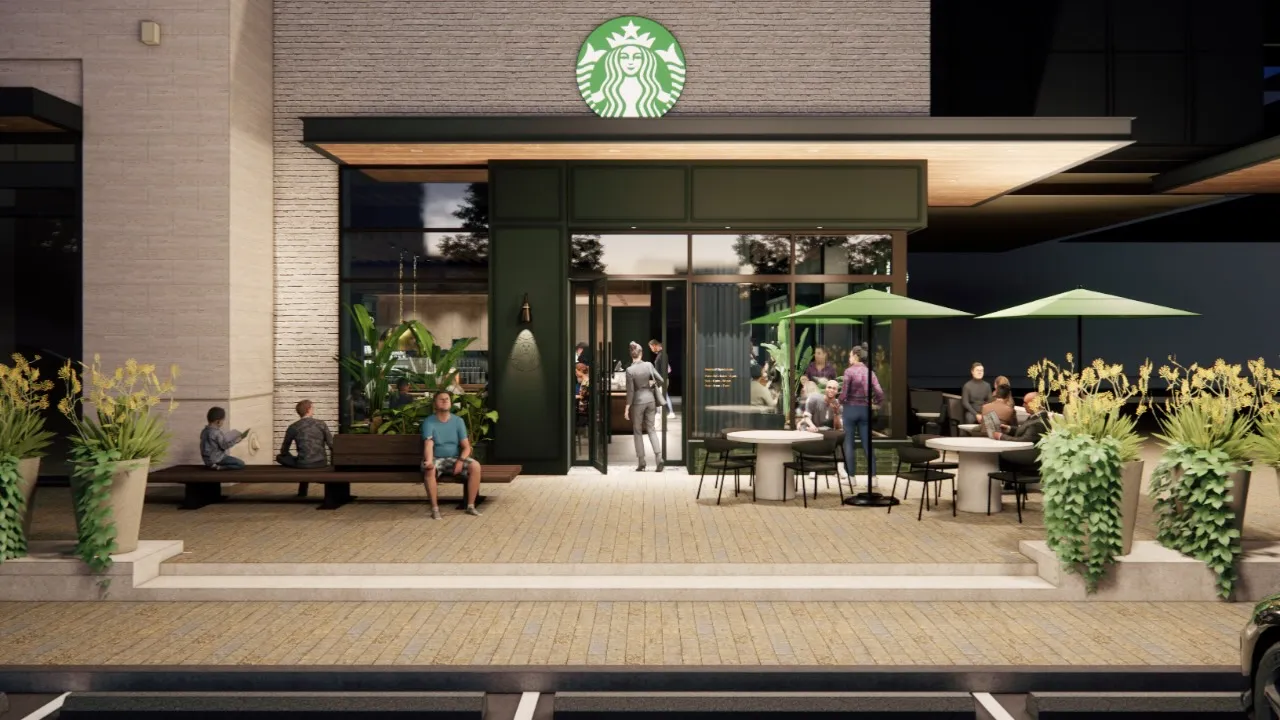
What is changing
Starbucks has signalled a move away from large, capital-heavy store rebuilds toward a lighter touch: targeted updates to seating, lighting, finishes and the customer-facing counter, rather than stripping a location back and starting again. The intent is to refresh how the coffeehouse feels without the cost and the closure time that a full rebuild demands.
For a brand operating at that scale, shaving cost off a remodel programme matters. But the change is not only financial. A smaller scope produces a different kind of construction project, and operators who price it like the old one tend to get caught out.
Why this matters for operators
A lighter scope is good news for the balance sheet. It also changes the nature of the job. Smaller renovations are usually carried out while the store keeps trading, which means the binding constraint stops being budget and starts being time — specifically, how much work can be finished between close and open without touching the morning rush.
What to plan for
- Overnight and phased work becomes the default rather than the exception
- Finishes, millwork and lighting carry lead times that can outlast the build itself
- Brand approval still applies at full standard, even on a reduced scope
- Any electrical or mechanical change still triggers permits and inspections
- Trades have to be sequenced tightly, because there is no slack in an overnight window
The trap in a lighter remodel
The risk in a reduced scope is scope creep by another name. A refresh that starts as new seating and lighting can turn into electrical work the moment the lighting plan changes, and electrical work brings permits, inspections and a longer programme. The projects that go wrong are rarely the ones that were correctly understood at the outset.





.png)

